Decoding the Complex Relationship Between Housing Market and Fiscal Policies
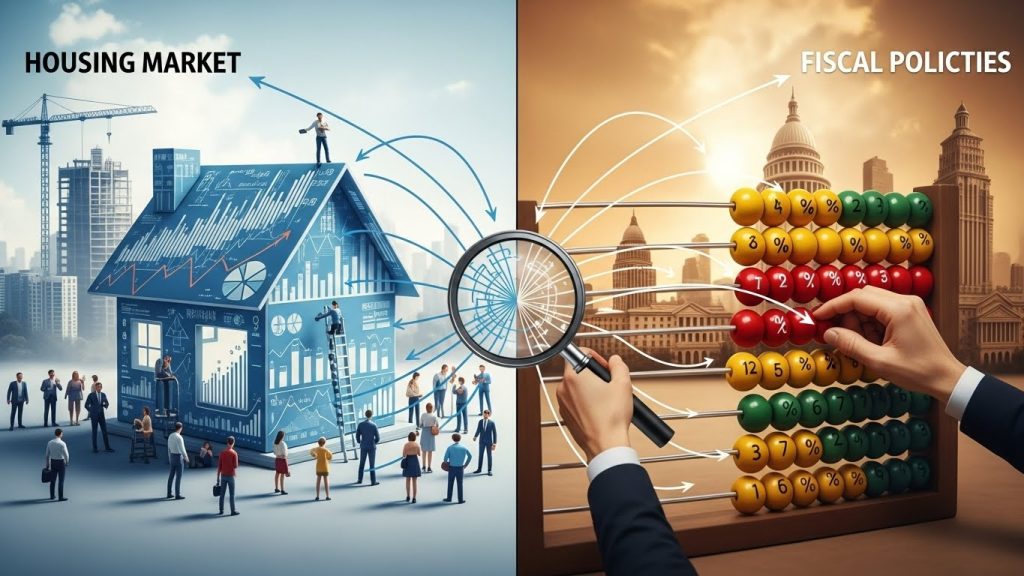
The housing market plays a pivotal role in shaping the economic landscape of any country. It influences everything from consumer spending to employment rates and is deeply intertwined with fiscal policies. This intricate relationship often dictates the financial health of a nation and affects the daily lives of its citizens. Understanding this connection is crucial for policymakers, investors, and homeowners alike. In this blog post, we will delve deep into the complex interplay between the housing market and fiscal policies, exploring its intricacies and impacts.
The Basics of Fiscal Policy
Fiscal policy refers to the use of government spending and taxation to influence the economy. Governments deploy fiscal policies to regulate economic activity, aiming to achieve macroeconomic objectives such as controlling inflation, reducing unemployment, and fostering economic growth. Fiscal policy can be either expansionary or contractionary. An expansionary fiscal policy involves increasing government spending or cutting taxes to stimulate the economy, whereas a contractionary policy does the opposite to cool down an overheating economy.
It’s vital to understand that fiscal policies are not one-size-fits-all. They vary based on a country’s unique economic circumstances, political landscape, and societal needs. The housing market, being a significant economic sector, is directly influenced by these policies.
How Fiscal Policies Impact the Housing Market
Fiscal policies influence the housing market in several ways, primarily through taxation, government spending, and incentives. Here are some key mechanisms:
1. Taxation Policies
Taxation directly affects housing affordability and demand. Property taxes, for instance, are a significant source of revenue for local governments but can also deter potential homebuyers if they are too high. Similarly, capital gains tax on the sale of property can impact investor decisions. Tax incentives, such as deductions on mortgage interest, can also make housing more attractive.
Consider the example of the United States, where the mortgage interest deduction encourages homeownership by allowing taxpayers to deduct interest paid on the mortgage. Such policies can significantly boost demand in the housing market.
2. Government Spending
When governments invest in infrastructure, such as roads, schools, and hospitals, they indirectly boost the housing market. Better infrastructure enhances the desirability of a location, leading to increased property values. Additionally, government spending on housing programs, like subsidies or affordable housing projects, directly affects housing availability and affordability.
3. Incentives for Developers
Governments often provide incentives to developers to stimulate housing supply. These incentives can take the form of tax breaks, grants, or zoning relaxations. By encouraging developers to build more homes, fiscal policies can help address housing shortages and stabilize prices.
The Role of Fiscal Policies During Economic Downturns
During economic downturns, fiscal policies become even more crucial in stabilizing the housing market. Expansionary fiscal policies, such as increased government spending and tax cuts, aim to boost economic activity and restore confidence. For instance, during the 2008 financial crisis, many governments implemented stimulus packages to revive their economies.
Such policies often include measures specifically targeted at the housing sector, such as tax credits for homebuyers or grants for home renovations. These measures can help stabilize housing prices and prevent a market collapse. The United States’ Homebuyer Tax Credit during the Great Recession is a prime example of how fiscal policy can support the housing market in turbulent times.
Challenges and Criticisms
Despite their importance, fiscal policies affecting the housing market are not without challenges and criticisms. Here are some key issues:
1. Timing and Implementation
One of the biggest challenges with fiscal policies is timing. Implementing policies at the wrong time can exacerbate economic issues rather than resolve them. For instance, reducing taxes during an inflationary period can worsen inflationary pressures. Moreover, the bureaucratic processes involved in implementing fiscal measures can lead to delays, reducing their effectiveness.
2. Unintended Consequences
Fiscal policies can also lead to unintended consequences. Tax incentives intended to boost homeownership might inflate property prices, making homes less affordable. Similarly, government spending in one area might lead to neglect in another, creating imbalances. Policymakers must carefully design and monitor fiscal measures to mitigate such risks.
3. Political Influences
Fiscal policies are often influenced by political considerations, which can lead to suboptimal outcomes. Political agendas might prioritize short-term gains over long-term stability, resulting in policies that are not economically sound. Additionally, changes in government can lead to policy reversals, creating uncertainty in the housing market.
Global Perspectives: A Comparative Analysis
The relationship between fiscal policies and the housing market varies across different countries. In Australia, for instance, the government has implemented measures such as the First Home Super Saver Scheme to help first-time buyers enter the market. Meanwhile, countries like Canada have introduced tighter regulations to cool down overheated markets.
In the European context, fiscal policies have been used to address housing shortages and affordability. For example, Germany’s focus on social housing and rent control has shaped its housing market dynamics. Understanding these global variations highlights the importance of tailoring fiscal policies to specific economic and social contexts.
Conclusion: Navigating the Future
The complex relationship between the housing market and fiscal policies underscores the importance of strategic planning and informed decision-making. As we move forward, the interplay between these two elements will continue to shape economic landscapes worldwide. Policymakers must balance economic objectives with societal needs, ensuring that fiscal measures promote stability and prosperity.
For investors and homeowners, staying informed about fiscal policy changes is crucial. Understanding how these policies affect the housing market can guide investment decisions and financial planning. As we decode this intricate relationship, it becomes clear that the housing market and fiscal policies are inextricably linked, influencing each other in profound ways.
Leveraging Data and Technology in Policy Making
In the modern era, data and technology play a crucial role in shaping fiscal policies and their impact on the housing market. Advanced data analytics can help policymakers understand market trends, identify potential risks, and devise targeted interventions. By leveraging big data, governments can craft more precise fiscal policies that effectively address market needs without unintended side effects.
For instance, predictive analytics can forecast housing demand and supply dynamics, allowing policymakers to implement measures that prevent market overheating or stagnation. Geographic Information Systems (GIS) can also provide insights into regional housing trends, enabling localized policy responses. Governments are increasingly adopting these tools to enhance decision-making and optimize the impact of fiscal policies on the housing market.
The Role of Central Banks and Monetary Policy
While fiscal policies are crucial, it’s important to recognize the role of central banks and monetary policy in the housing market. Interest rates, set by central banks, significantly influence mortgage rates, affecting housing affordability and demand. During periods of low interest rates, borrowing becomes cheaper, often leading to increased housing demand and higher prices.
The coordination between fiscal and monetary policies is essential for a balanced housing market. While fiscal measures can boost demand, monetary policy can regulate inflation and stabilize economic growth. A well-coordinated approach ensures that both policies complement each other, promoting a healthy housing market and overall economic stability.
Environmental and Social Considerations
As fiscal policies evolve, there’s an increasing focus on incorporating environmental and social considerations. The concept of sustainable housing is gaining traction, with governments introducing policies to promote energy-efficient buildings and reduce carbon footprints. Incentives for green building practices and retrofitting existing homes can drive demand for sustainable housing solutions.
Social considerations are equally important. Policies aimed at increasing housing accessibility for marginalized communities are crucial for promoting social equity. Measures such as rent controls, social housing projects, and subsidies for low-income families are examples of fiscal policies addressing social disparities in the housing sector. Balancing economic objectives with environmental and social goals is key to crafting comprehensive fiscal policies.
Future Challenges and Opportunities
The future of the housing market and its relationship with fiscal policies presents both challenges and opportunities. Rapid urbanization, demographic shifts, and changing consumer preferences will shape housing demand, requiring adaptive policy measures. Moreover, technological advancements, such as automation and artificial intelligence, will continue to transform the housing market landscape.
Policymakers must remain agile and proactive, anticipating future trends and challenges. Collaborative efforts between governments, private sectors, and communities will be essential to address complex housing issues. By fostering innovation and inclusivity, fiscal policies can pave the way for a resilient and sustainable housing market.
Final Thoughts
Decoding the relationship between the housing market and fiscal policies reveals a dynamic and multifaceted interplay. From taxation and government spending to incentives for developers, fiscal policies have a profound impact on housing dynamics. As we navigate the complexities of this relationship, it’s imperative to adopt a holistic approach that considers economic, environmental, and social dimensions.
By leveraging data, technology, and collaborative efforts, policymakers can craft effective fiscal policies that support a thriving housing market. As the world continues to evolve, the synergy between the housing market and fiscal policies will remain a cornerstone of economic stability and societal well-being. Understanding and decoding this relationship is not just an academic exercise but a critical component of building a prosperous future for all.
About the Author