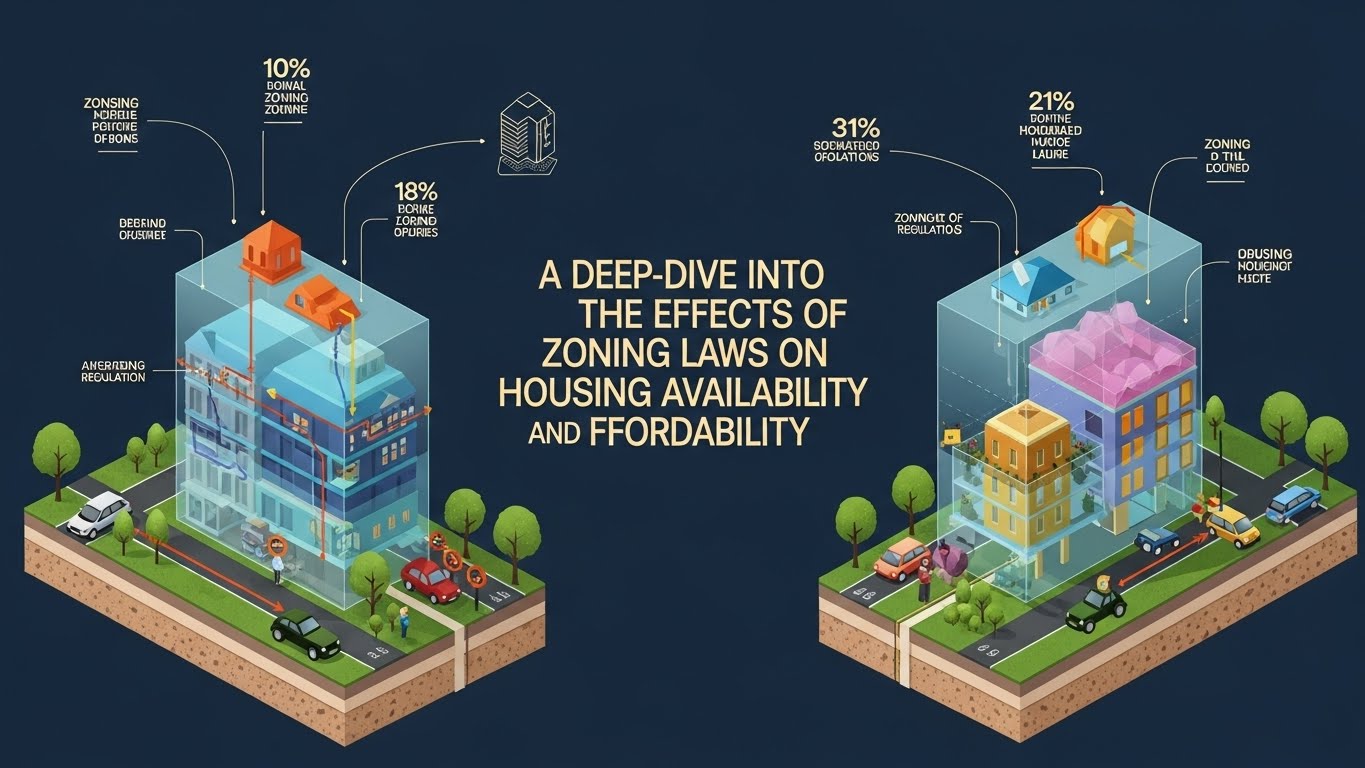
A Deep Dive into the Effects of Zoning Laws on Housing Availability and Affordability
As urban areas across the globe grapple with increasing population densities, the role of zoning laws becomes pivotal in shaping housing markets. Zoning laws, regulatory tools used by municipalities to control land use, have profound implications for housing availability and affordability. Understanding these effects is crucial for policymakers and stakeholders aiming to address housing crises in growing cities.
Understanding Zoning Laws
Zoning laws are regulations that dictate how land in certain areas can be used. These laws specify the types of buildings permitted in a particular zone, such as residential, commercial, or industrial, and often include specifics like building height, lot size, and the density of dwellings. The primary goal of zoning is to ensure land is used efficiently while maintaining a balance between development, environmental preservation, and community needs.
However, zoning laws have evolved beyond their initial intent, often becoming a tool for local governments to control urban growth and development patterns. This evolution has led to significant impacts on housing, which we will explore further.
The Effects of Zoning Laws on Housing Availability
Zoning laws directly influence housing availability through restrictions on building types and densities. In many urban areas, single-family zoning predominates, limiting the development of multi-family units like apartments and condominiums. This restriction reduces the overall housing stock, particularly in areas with high demand, thereby exacerbating shortages.
For instance, cities like San Francisco and New York have stringent zoning regulations that limit the number and type of dwellings that can be built, contributing to their well-documented housing shortages. The inability to expand housing stock in response to increasing demand leads to fierce competition for available units, driving up prices and reducing accessibility for lower-income residents.
Zoning and Housing Affordability
By constraining supply, zoning laws inadvertently increase housing costs. When fewer homes are available, prices naturally rise, making it more challenging for individuals and families to afford housing. This situation is particularly acute in metropolitan areas where economic opportunities draw large populations.
Moreover, zoning laws often necessitate expensive construction standards and processes. For example, requirements for parking spaces, setbacks, and building materials can significantly increase the cost of developing new housing. These costs are usually passed on to consumers, further eroding affordability.
The effects of exclusionary zoning—where policies effectively exclude low-income residents by making housing unaffordable—are profound. This practice not only limits affordability but also perpetuates socioeconomic divides by keeping lower-income individuals out of certain neighborhoods, leading to segregated communities.
Case Studies: Cities Tackling Zoning Challenges
Minneapolis: A Bold Step towards Inclusion
In recent years, Minneapolis has garnered attention for its groundbreaking approach to zoning reform. By eliminating single-family zoning and allowing duplexes and triplexes citywide, Minneapolis aims to increase housing supply and diversity. This bold move is expected to alleviate housing shortages and promote affordability by expanding the types of housing available.
Early reports suggest that this approach could serve as a model for other cities facing similar challenges. By enabling more flexible land use, cities can foster environments that accommodate diverse populations and housing needs.
Tokyo: Density Done Right
Tokyo offers a contrasting example where high density has been embraced rather than avoided. The city’s flexible zoning laws allow for a mix of building types and densities, facilitating the development of a wide range of housing options. As a result, Tokyo has managed to maintain relative affordability despite being one of the world’s largest metropolitan areas.
This approach underscores the potential benefits of revising zoning laws to support higher densities and a mix of housing types, thereby promoting affordability and urban vitality.
Potential Solutions and Policy Recommendations
To mitigate the negative impacts of zoning laws on housing availability and affordability, several policy recommendations have emerged:
- Zoning Reform: Revising zoning regulations to allow for higher densities and mixed-use developments can significantly increase housing stock and diversity. This approach promotes more efficient land use and addresses housing shortages.
- Inclusionary Zoning: Policies that require or incentivize developers to include affordable units in new developments can help integrate affordable housing into diverse neighborhoods.
- Streamlining Approval Processes: Simplifying and expediting the approval process for new developments can reduce costs and encourage the construction of new housing.
- Encouraging Innovative Housing Models: Supporting alternative housing solutions such as accessory dwelling units (ADUs) and co-housing can offer affordable options within existing neighborhoods.
These recommendations highlight the importance of adaptive and inclusive zoning policies that respond to contemporary urban challenges. For cities struggling with housing crises, embracing reform can pave the way for more equitable and sustainable urban environments.
Takeaways
Zoning laws play a critical role in shaping the housing landscape, significantly affecting availability and affordability. While initially intended to ensure orderly development, these laws have often restricted housing supply and increased costs, contributing to widespread affordability issues. However, as cities like Minneapolis and Tokyo demonstrate, reforming zoning laws to embrace flexibility and inclusion can lead to more vibrant and affordable urban areas.
Addressing the challenges posed by traditional zoning requires a commitment to innovative policy solutions and a willingness to embrace change. By doing so, cities can foster environments that are not only economically competitive but also inclusive, equitable, and sustainable for all residents.
For more insights into the complexities of urban planning and housing policy, explore resources from the Urban Institute and the Harvard Joint Center for Housing Studies.
The Role of Public Engagement in Zoning Reform
One of the essential components of successful zoning reform is public engagement. Engaging communities in the planning process can lead to more equitable and effective policies. Residents are often the most informed about local needs and challenges, and their input can help shape zoning laws that reflect the community’s vision for its future.
Public workshops, town hall meetings, and online platforms can serve as valuable tools for gathering feedback and fostering dialogue between residents, planners, and policymakers. By involving a diverse range of voices, cities can ensure that zoning reforms are inclusive and address the needs of all community members, particularly those who have historically been marginalized.
Successful public engagement can also mitigate opposition to change, as stakeholders are more likely to support initiatives they have helped to shape. Ultimately, this collaborative approach can lead to more sustainable and widely accepted zoning policies.
The Environmental Impacts of Zoning Laws
Zoning laws also have significant environmental implications, influencing everything from urban sprawl to resource consumption. Low-density zoning, for example, often leads to sprawling developments that consume more land and require greater infrastructure investments, such as roads and utilities. This sprawl can contribute to habitat loss, increased vehicle emissions, and higher energy consumption.
Conversely, zoning laws that encourage higher densities and mixed-use developments can promote more sustainable urban growth. By concentrating development in specific areas, cities can reduce the need for extensive infrastructure and minimize environmental impacts. Mixed-use developments also encourage walking, cycling, and public transit use, reducing reliance on cars and lowering carbon emissions.
Integrating environmental considerations into zoning reforms can help cities address both housing and sustainability goals. Policies that support green building practices, preserve open spaces, and promote climate resilience can lead to healthier, more livable communities.
Conclusion: The Path Forward for Zoning Laws
The complex interplay between zoning laws and housing markets presents both challenges and opportunities for cities worldwide. As urban populations continue to grow, the need for adaptive and forward-thinking zoning policies becomes increasingly urgent. By embracing reform, engaging communities, and considering environmental impacts, cities can develop zoning laws that support diverse, affordable, and sustainable urban environments.
Ultimately, the path forward requires collaboration among policymakers, planners, developers, and residents. By working together, stakeholders can create zoning frameworks that meet the needs of today’s cities while preparing for the challenges of the future. The lessons learned from cities like Minneapolis and Tokyo offer valuable insights into the potential of zoning reform to transform housing markets and improve quality of life for all residents.
For further reading on innovative zoning reforms and urban planning strategies, consider exploring resources from the American Planning Association and the Smart Growth America.
The Economic Implications of Zoning on Local Markets
Zoning laws have far-reaching economic implications that extend beyond housing markets. By influencing land use and development patterns, zoning can affect local economies in several key ways. For instance, restrictive zoning can limit commercial growth opportunities, impacting job creation and local tax revenues. Conversely, flexible zoning that encourages mixed-use developments can stimulate economic activity by integrating residential, commercial, and retail spaces.
Moreover, zoning laws can influence property values, which in turn affect municipal budgets. High property values can increase tax revenues, providing funds for public services and infrastructure improvements. However, this can also lead to gentrification, displacing long-time residents and altering the social fabric of neighborhoods. Balancing these economic factors requires careful planning and policy adjustments to ensure that zoning laws support both economic growth and community stability.
Zoning Laws and Social Equity
One of the critical aspects of zoning reform is addressing social equity. Historically, zoning laws have often perpetuated social inequalities by segregating communities along racial and economic lines. Exclusionary zoning practices have created barriers to affordable housing in many neighborhoods, limiting opportunities for low-income and minority residents.
To promote social equity, zoning reforms must prioritize inclusive policies that facilitate access to housing for all socioeconomic groups. This may involve creating incentives for affordable housing development, revising restrictive zoning codes, and implementing anti-displacement strategies to protect vulnerable communities.
By focusing on equity, cities can ensure that zoning laws contribute to more inclusive and diverse communities. This approach not only enhances social cohesion but also fosters economic vitality by attracting a broader range of residents and businesses.
Technological Advancements and Zoning
Technological advancements are playing an increasingly significant role in reshaping zoning and urban planning. Geographic Information Systems (GIS), for instance, allow planners to analyze spatial data and model potential development scenarios. These tools can help identify areas best suited for increased density or specific land uses, supporting data-driven zoning decisions.
Additionally, technology can facilitate public participation in zoning processes. Online platforms and digital tools can engage a wider audience, allowing residents to provide feedback and participate in decision-making from the comfort of their homes. This increased accessibility can lead to more informed and inclusive zoning policies.
As cities continue to harness technology, they can create more responsive and adaptable zoning frameworks that better address the needs of contemporary urban environments.
The Future of Zoning: Innovation and Adaptation
The future of zoning lies in innovation and adaptation. As cities face evolving challenges such as climate change, population growth, and technological disruption, zoning laws must evolve to remain effective. This requires a willingness to experiment with new ideas and embrace flexible approaches to land use planning.
Innovative zoning practices, such as form-based codes, which focus on the physical form of development rather than specific land uses, offer promising alternatives to traditional zoning. These approaches can create more dynamic and adaptable urban spaces that accommodate a range of uses and activities.
Ultimately, the key to successful zoning reform lies in collaboration and continuous evaluation. By engaging stakeholders, leveraging technology, and prioritizing sustainability and equity, cities can develop zoning policies that support vibrant, resilient, and inclusive communities for generations to come.
For those interested in the latest developments in zoning and urban planning, resources from the Planetizen and the Urban Land Institute provide valuable insights and updates.
About the Author