Impact of the Pandemic on the Housing Market: A Detailed Analysis
The COVID-19 pandemic has dramatically reshaped various sectors across the globe, and the housing market is no exception. As we delve into the intricacies of how the pandemic has altered housing trends, pricing, and buyer behavior, it’s essential to understand the multifaceted impacts that have emerged from this global crisis.
Introduction: A New Era for Real Estate
Before the pandemic, the housing market was relatively stable, with predictable seasonal fluctuations and a steady growth trajectory. However, the pandemic has brought unprecedented changes, leading to a surge in remote work, changes in living preferences, and shifts in demographic movements. This analysis will explore these dynamics, offering insights into how the housing market has been reshaped and what the future might hold.
Remote Work: A Catalyst for Change
One of the most significant changes brought about by the pandemic is the shift to remote work. As companies worldwide adopted work-from-home policies, employees discovered newfound flexibility around where they could live. This shift has had profound implications on the housing market.
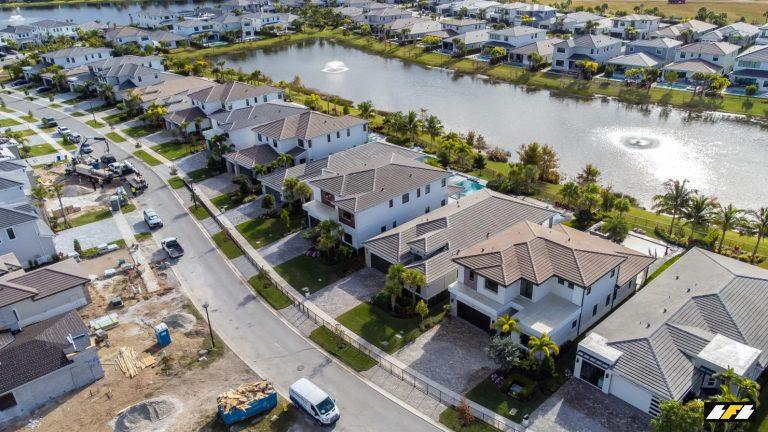
For many, the ability to work remotely has meant that living in high-cost urban centers is no longer a necessity. Employees have increasingly moved to suburban or rural areas where they can afford larger homes with more outdoor space, a trend that has contributed to the so-called “urban exodus.” This migration has driven up property prices in traditionally less competitive markets, reshaping the housing landscape.

Interest Rates and Their Influence
Another critical factor contributing to changes in the housing market is the historically low interest rates implemented by central banks to stimulate economic activity during the pandemic. Lower interest rates have made borrowing more affordable, leading to an increase in home purchases.
According to the Federal Reserve, these measures were designed to support the economy during unprecedented times, but they also spurred a housing boom. Homebuyers took advantage of the opportunity to secure mortgages with lower monthly payments, which increased demand and, in turn, drove up home prices across many regions.
Supply Chain Disruptions and Construction Delays
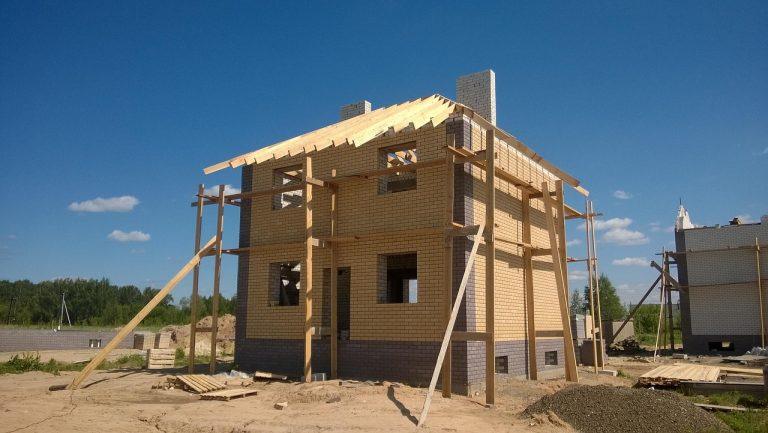
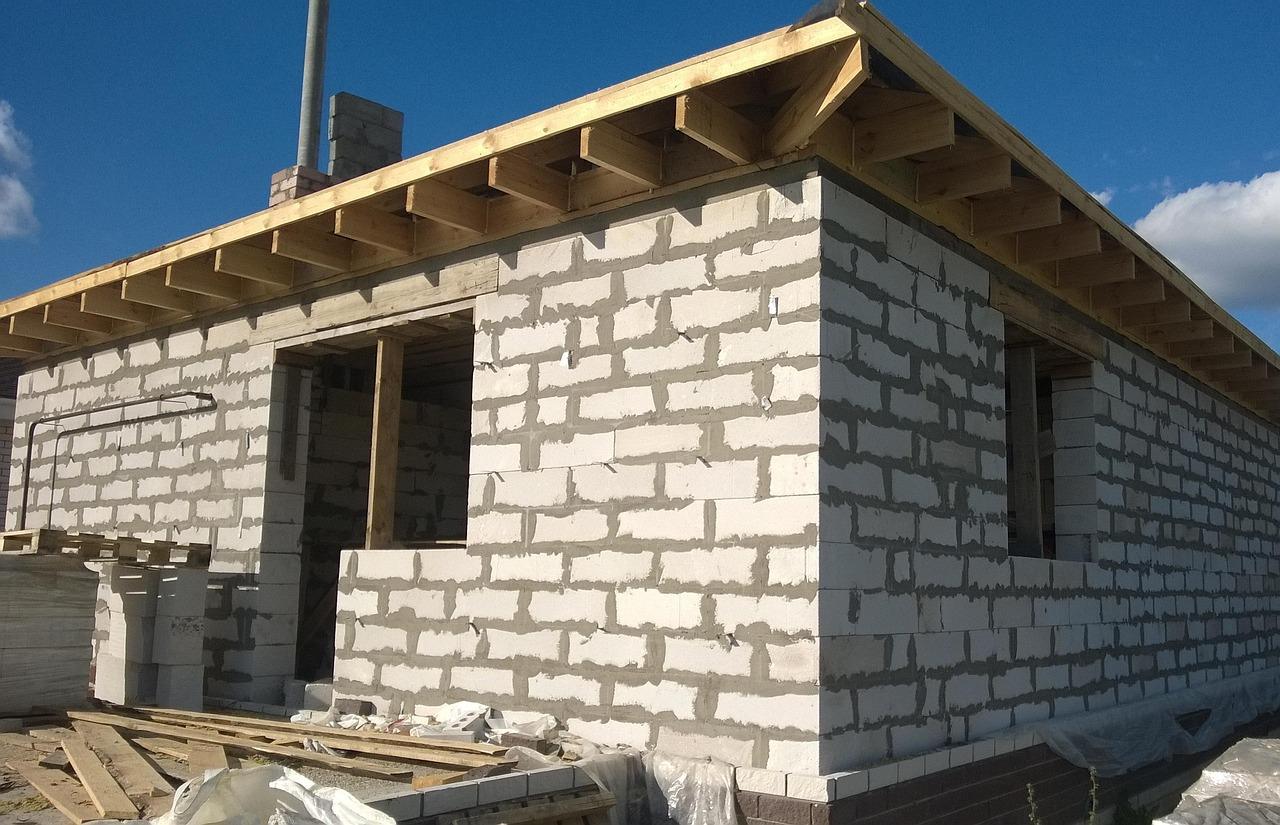
The pandemic has also significantly affected the construction industry, which has had a ripple effect on the housing market. Supply chain disruptions have led to shortages of essential building materials, including lumber, steel, and concrete. These shortages have delayed construction projects and increased costs, impacting the availability of new homes.
As a result, the supply of homes has not kept pace with the surge in demand, exacerbating the already heated market conditions. The National Association of Home Builders has reported that rising material costs have added thousands of dollars to the price of new homes, further straining the affordability of housing for many buyers.
Shifts in Buyer Preferences

The pandemic has also altered buyer preferences, with many seeking homes that can accommodate the new normal of increased time spent at home. Buyers are prioritizing features such as home offices, larger kitchens, and outdoor spaces, which were less critical before the pandemic.
This shift in preferences has influenced market demand, with single-family homes and properties with ample yard space and home office potential seeing increased interest. Urban apartments and condos, which were once in high demand, have seen a decline as buyers seek more space and privacy.
Impact on Rental Markets
The rental market has not been immune to the pandemic’s effects. As remote work became the norm, many renters chose to leave city centers in search of more affordable or spacious homes elsewhere. This exodus has led to a decrease in rental demand in urban areas, causing rental prices to drop in some cities.
Conversely, suburban and rural rental markets have seen increased demand, pushing rental prices higher in these areas. This shift has forced landlords and property managers to adapt to changing market conditions, offering incentives and flexible lease terms to attract tenants.
Future Outlook: What Lies Ahead?
As we move forward, the housing market will continue to evolve in response to lingering pandemic effects and emerging trends. The long-term impact of remote work, interest rate adjustments, and potential regulatory changes will all play crucial roles in shaping the market’s future.
While some experts predict a stabilization of prices as supply chain issues resolve and interest rates normalize, others foresee continued price growth driven by sustained demand for suburban and rural properties. The market’s trajectory will largely depend on how quickly the global economy recovers and how permanent the changes in work and lifestyle become.

For those considering entering the housing market, whether as buyers, sellers, or investors, staying informed about these dynamics will be essential. Resources like the National Association of Realtors provide valuable insights and data to help navigate this complex landscape.
Conclusion: A Housing Market Transformed
The pandemic has undoubtedly transformed the housing market, introducing new challenges and opportunities for all stakeholders involved. From remote work and urban exodus to supply chain disruptions and changing buyer preferences, the factors influencing the market are diverse and complex.
As we continue to adapt to a post-pandemic world, understanding these dynamics will be critical for making informed decisions. Whether you’re a buyer seeking your dream home or an investor looking to capitalize on emerging trends, staying abreast of the latest developments will be crucial in navigating the ever-evolving housing market landscape.
Navigating a Seller’s Market
With the changes brought about by the pandemic, many regions have transitioned into a seller’s market, characterized by high demand and limited supply. In this environment, sellers often receive multiple offers on their homes, sometimes above the asking price, leading to bidding wars. For sellers, this scenario presents a unique opportunity to capitalize on their investment. However, it also requires careful consideration of timing, pricing strategy, and negotiation tactics.
For buyers, navigating a seller’s market can be challenging. It’s essential to be prepared, including securing mortgage pre-approval and being ready to act quickly when the right property becomes available. Patience and flexibility are crucial, as well as a willingness to compromise on certain preferences to secure a home in a competitive market.
Government Interventions and Policy Changes
Throughout the pandemic, government interventions have played a significant role in stabilizing the housing market. Policies such as mortgage forbearance and eviction moratoriums provided relief to homeowners and renters facing financial hardships. These measures helped prevent a wave of foreclosures and evictions, which could have further destabilized the market.
As the economy recovers, policymakers will need to balance the withdrawal of these temporary supports with the ongoing needs of individuals still affected by the pandemic. The long-term impact of these policy changes will significantly influence the housing market’s trajectory, making it essential for stakeholders to remain informed about potential regulatory adjustments.
Environmental and Social Considerations
The pandemic has also heightened awareness of environmental and social issues within the housing market. As people spend more time at home, there is a growing emphasis on sustainable and energy-efficient housing solutions. Homebuyers and builders are increasingly prioritizing green building practices, renewable energy sources, and environmentally friendly materials.
Additionally, the social implications of housing affordability and accessibility have come to the forefront. The pandemic has exacerbated existing inequalities, highlighting the need for more inclusive housing policies that address the diverse needs of communities. Initiatives aimed at increasing affordable housing supply and supporting marginalized groups will be crucial in building a more equitable housing market.
Technological Advancements and the Future of Real Estate
The pandemic has accelerated the adoption of technology in the real estate sector, transforming how properties are bought, sold, and managed. Virtual tours, digital closings, and online property management tools have become standard practices, offering convenience and efficiency for both buyers and sellers.
Looking ahead, technology will continue to shape the future of real estate. Innovations such as blockchain, artificial intelligence, and smart home technology are poised to revolutionize the industry, providing new opportunities for transparency, automation, and enhanced user experiences. Staying abreast of these advancements will be key for real estate professionals and consumers alike.
Conclusion: Adapting to a New Normal
The pandemic has undeniably reshaped the housing market, introducing new challenges and opportunities that will persist for years to come. As we navigate this transformed landscape, adaptability and resilience will be essential for success. By staying informed about market trends, leveraging technological advancements, and prioritizing sustainability and inclusivity, stakeholders can effectively navigate the complexities of the post-pandemic housing market.
Ultimately, the pandemic has underscored the importance of home as a place of security, comfort, and stability. As we move forward, the lessons learned during this unprecedented time will continue to shape the future of housing, driving innovation and progress in the pursuit of a more resilient and inclusive market.